
Dan's Field Notes in 60 Seconds
Living with an e‑bike is mostly routine, not specs.
If you can charge it easily, store it sensibly, and lock it consistently, it becomes "just your bike" very quickly.
Most people don't actually need to plan their whole life around range. They need a setup that removes friction, so riding stays spontaneous.
Get the day-to-day basics right and you'll ride more, go further, and worry less.
On this page
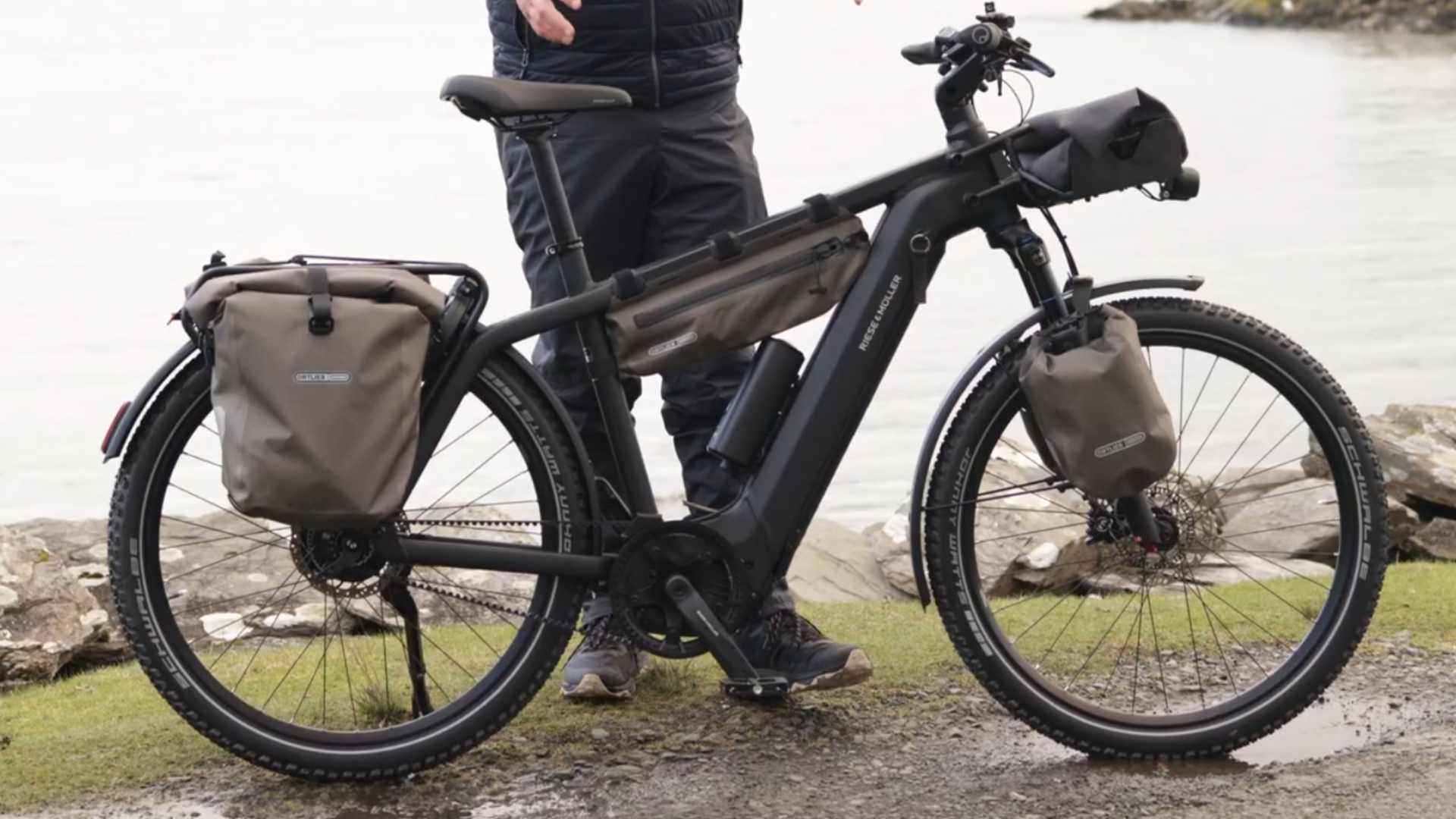
You still pedal. That's the point.
An e‑bike doesn't replace pedalling, it amplifies it.
You pedal, the bike measures your input, and the motor adds support so you can ride further, climb more comfortably, and arrive with energy left.
That's why good e‑bikes still feel like cycling, just more consistent and more usable day to day.
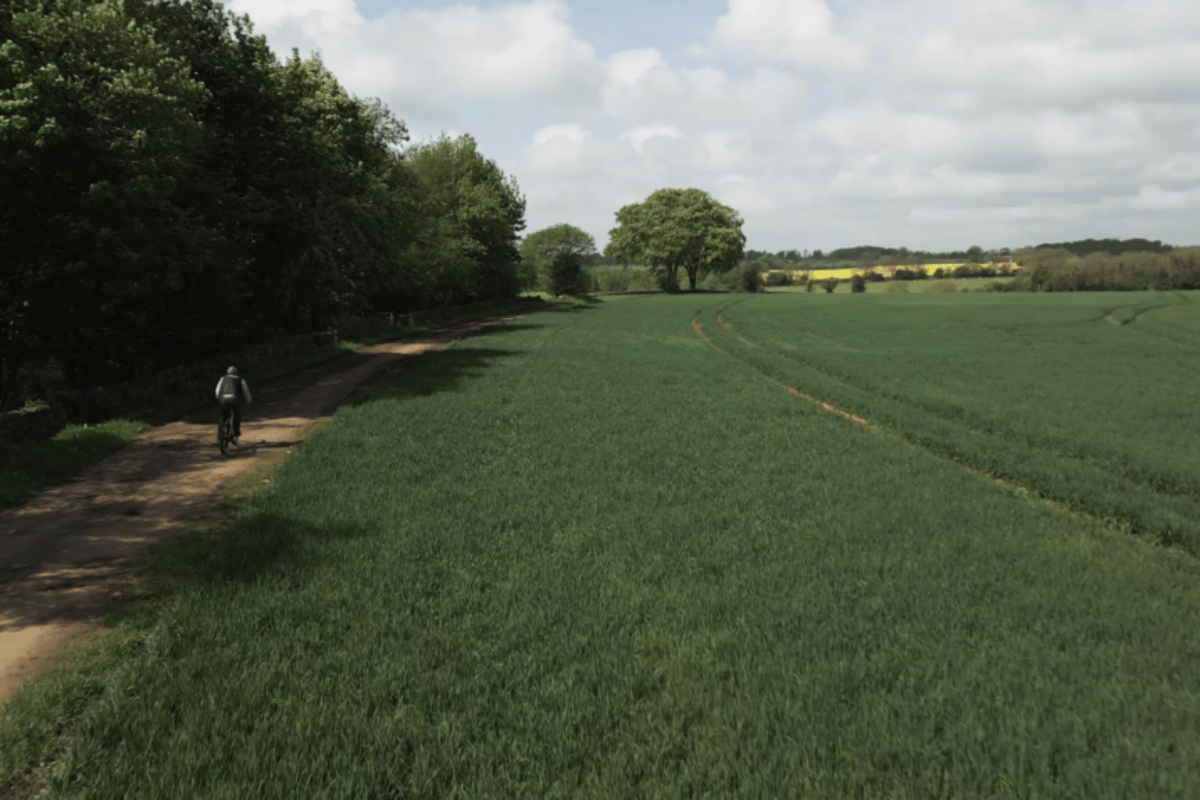
Support level is a volume knob. Turn it up for hills or headwinds, turn it down when you want more effort.
Range is a variable, not a promise.
Range changes constantly with terrain, wind, temperature, rider + luggage weight, and how much assistance you use.
A useful quick mental model is to think in battery capacity (Wh), not headline miles, then choose a setup that gives you margin.
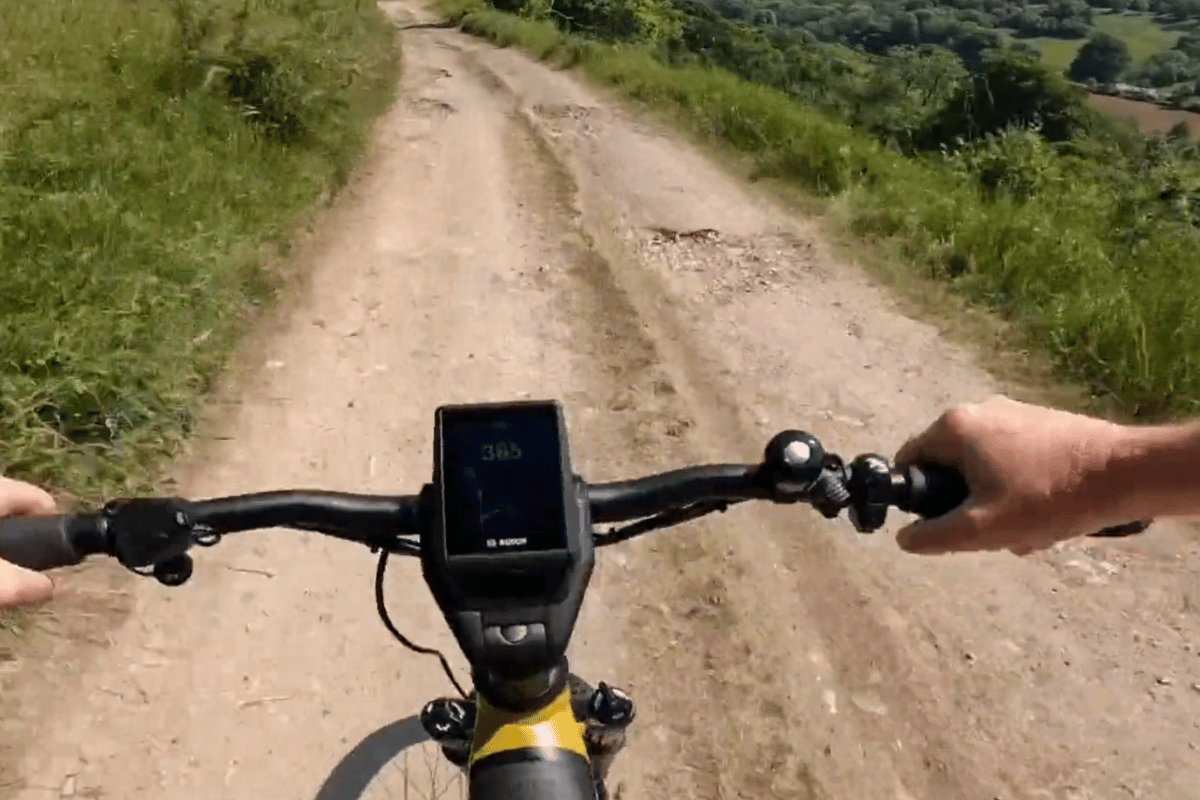
Quick Mental Maths
If you want a rough starting point, a simple estimate is:
Range (miles) ≈ Battery Wh ÷ 10
It's deliberately rough, but it helps you sanity-check what you're being told.
If winter riding matters to you, assume less range in the cold and plan a bit more margin.
Charging at home should be boring.
Charging is simple: a standard domestic plug and the bike's charger.
If your bike storage is near a socket, plug straight into the bike. If not, remove the battery and charge it indoors.
Part-charging is fine. You don't need to "baby" it every day.
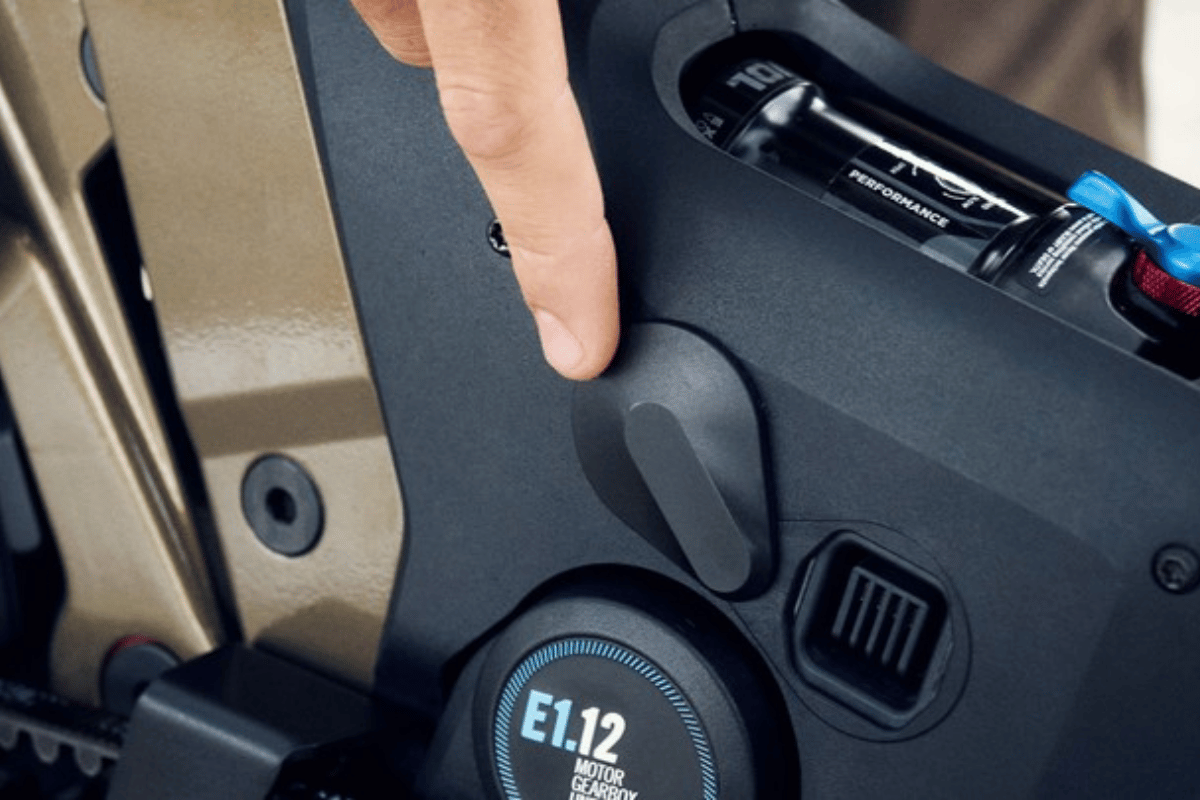
Home Charging Checklist
- Can I reach a socket where the bike lives?
- If not, can I easily remove the battery?
- Is there a safe place indoors to charge (not freezing cold, not baking hot)?
- Can I make charging part of a normal routine?
Multi-day rides are about planning rhythm, not panic.
If you're doing an overnight or multi-day ride, the first step is simply being honest about total distance and how hilly it is.
Some trips can be done without charging at all. Others need either a bigger battery setup or a planned stop. For a fuller walk-through of route, kit and charging rhythm, see our guide to e-bikepacking.
In reality, most cafés and pubs are happy to help if you ask politely and you're a paying customer.
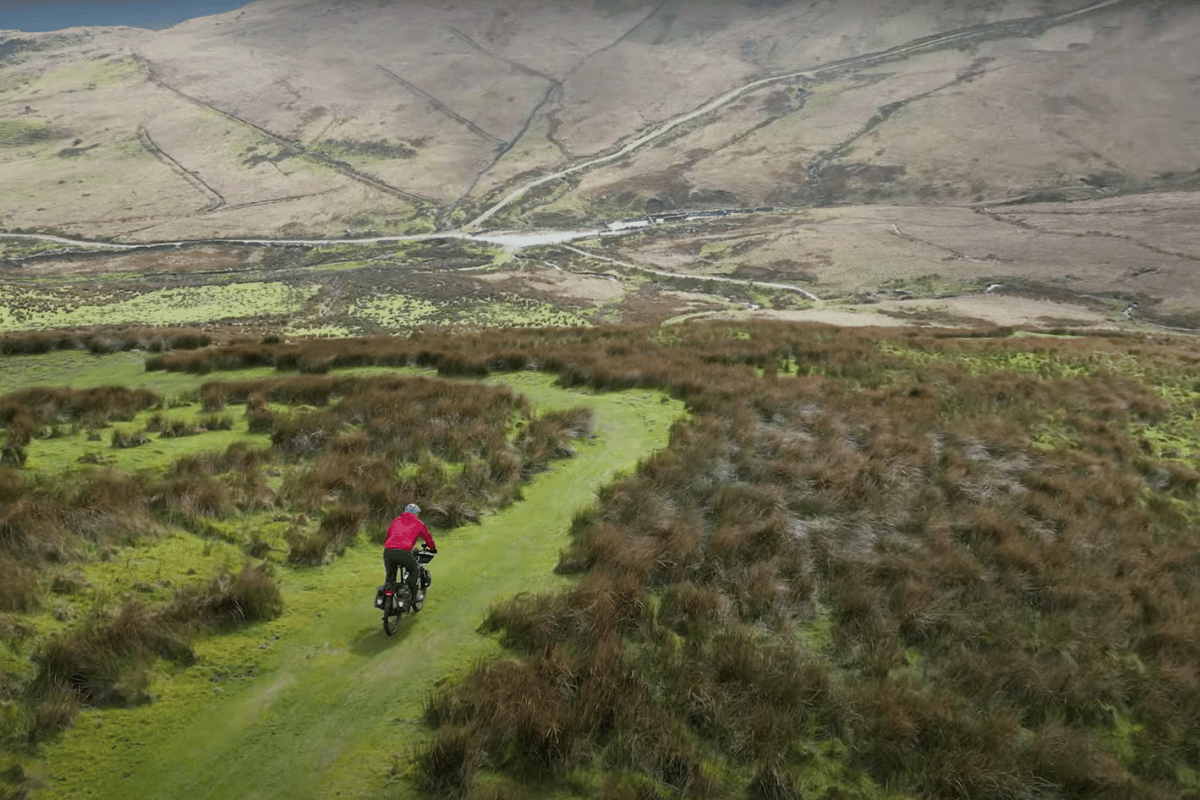
If you're choosing between "just enough" and "a bit more margin", margin usually wins.
Rain is normal. Cold costs range.
A quality e‑bike is built to be ridden in the rain. Wet roads and puddles are part of real riding.
Cold weather is different: it reduces effective range. That's not a fault, it's normal battery behaviour.
If it's cold, storing and charging the battery at room temperature helps.
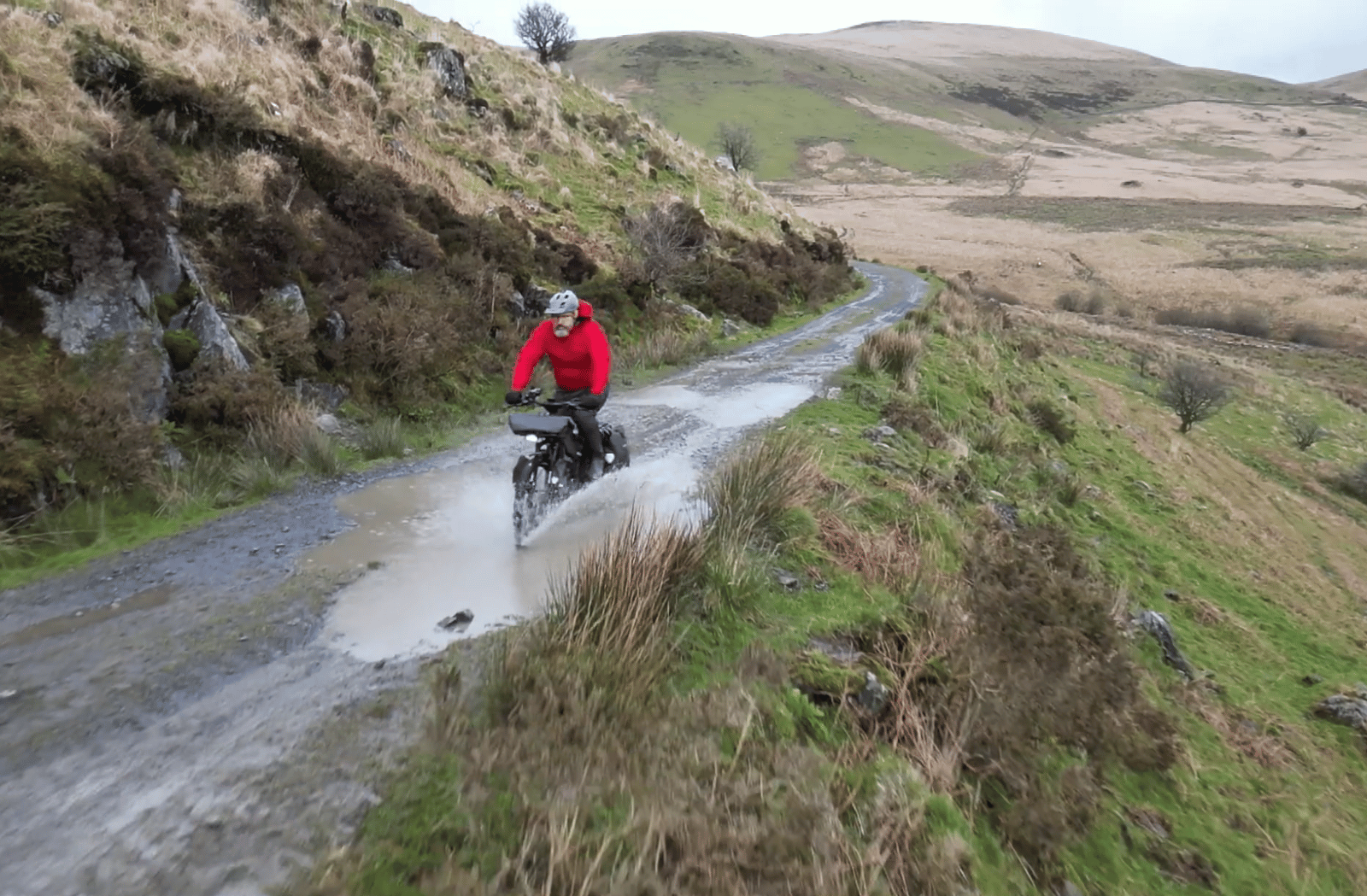
Wet + Winter Checklist
- Keep battery indoors overnight in very cold weather
- Expect less range in winter
- Check tyre pressure more often
- Keep your drivetrain clean (especially if you ride through grit/salt)
Store the bike like a bike, store the battery like a battery.
If you're storing the bike for extended periods, don't leave the battery full or empty for months.
A sensible "storage charge" is around the middle, and checking it occasionally is enough.
The bike can live in a garage or shed, but it's usually best to bring the battery and display indoors.
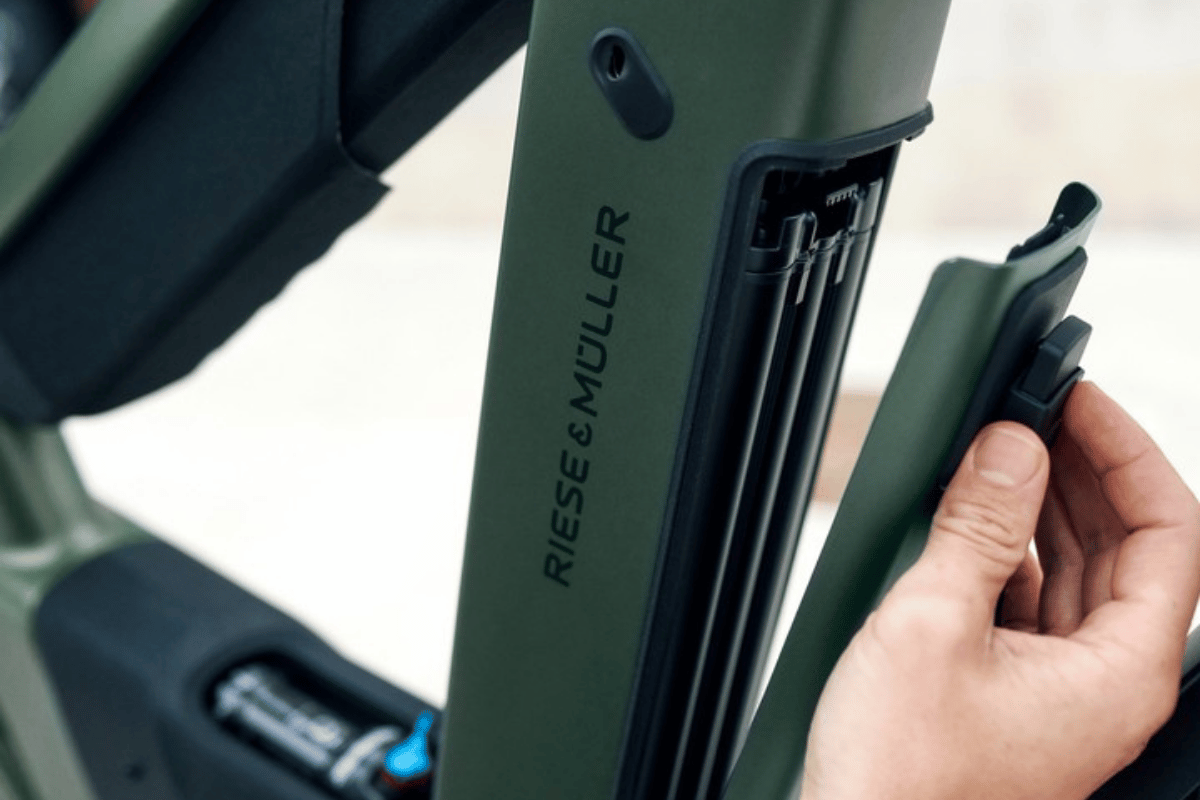
Long storage is where people accidentally shorten battery life. Normal use is fine.

Maintenance is simpler than people fear, but it's real.
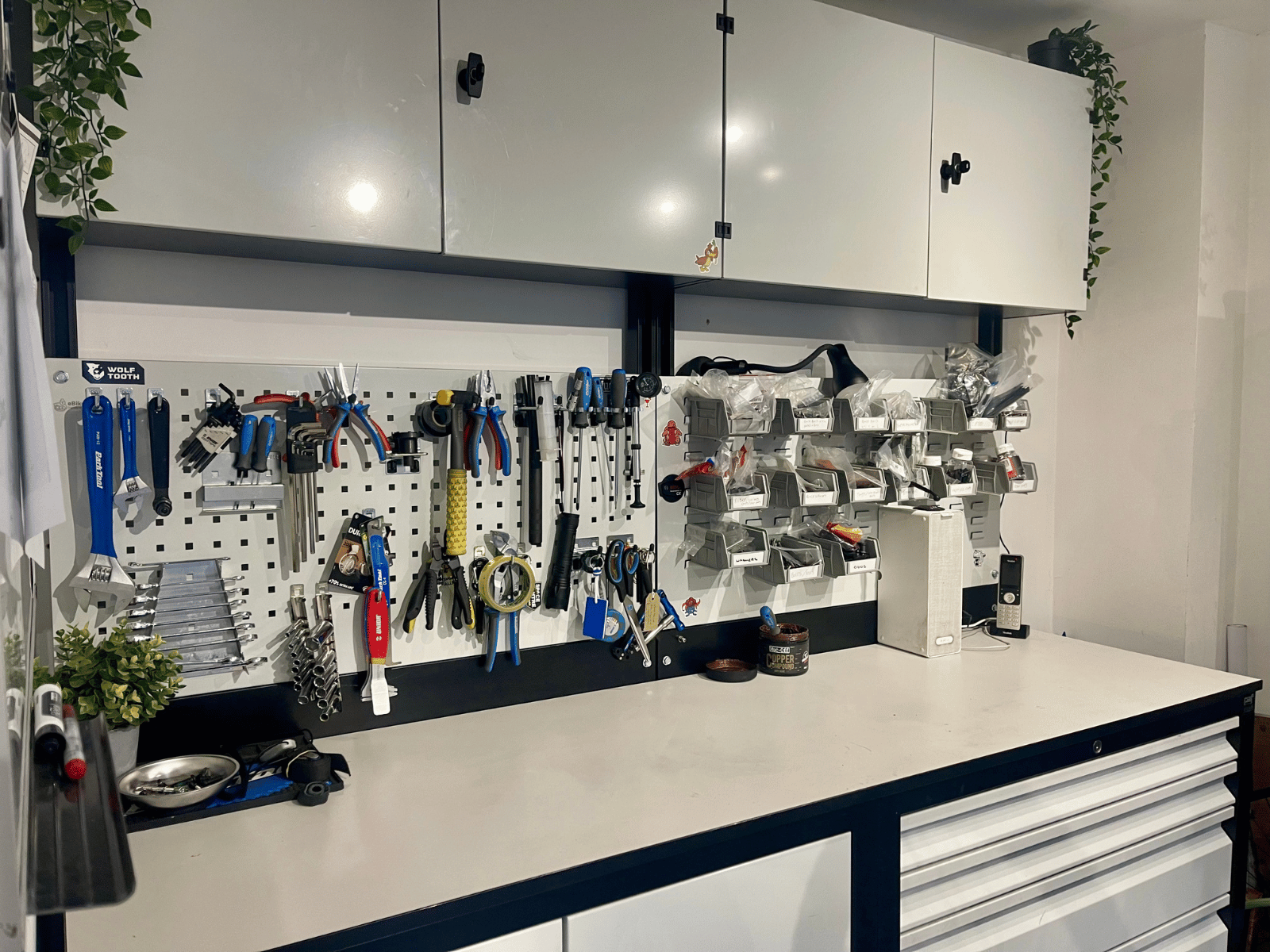
Most e‑bike maintenance looks like normal bike maintenance: tyres, brakes, drivetrain, bolt checks.
On premium systems, software updates can often happen without drama, and service intervals are predictable. If you want a season-by-season prompt, our owner's maintenance checklist is the one I hand out.
The right drivetrain choice (derailleur vs hub gear vs gearbox) changes how much attention the bike needs over time.
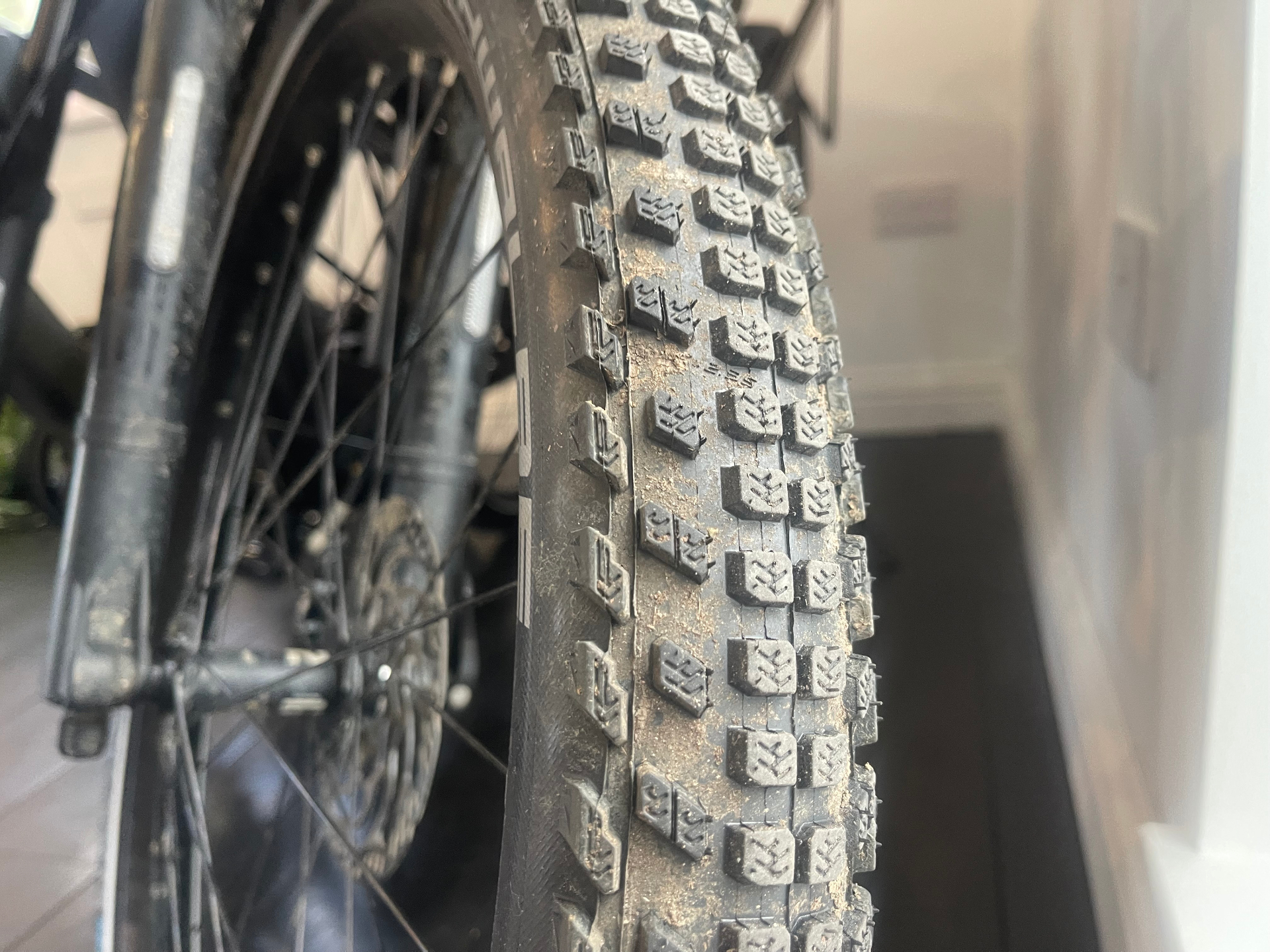
Schwalbe tyre tread. Grip, durability, and puncture protection matter
Carrying loads should feel stable and predictable.
Loads change handling. The goal is not to make weight disappear, it's to make it calm.
Good carrying setups keep weight low, secure, and evenly distributed, so the bike stays confidence-inspiring at low speed.
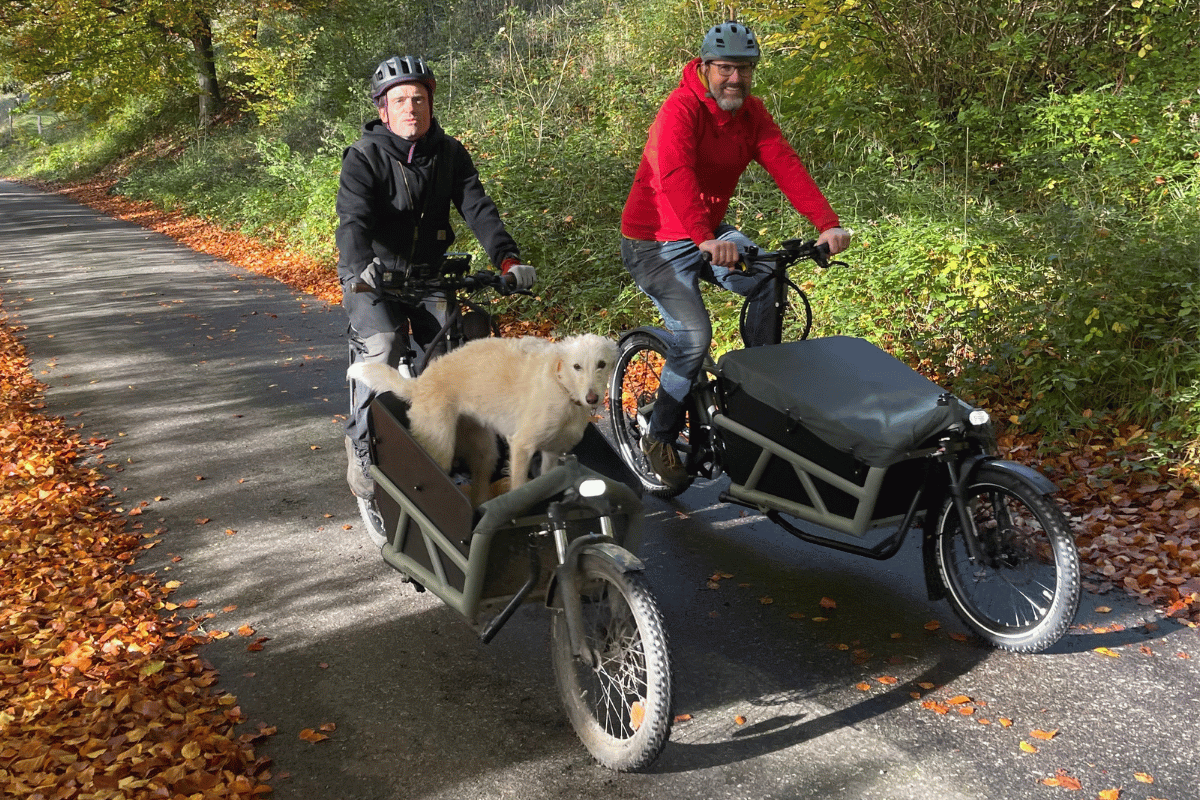
Load Carrying Checklist
- Is the load fixed correctly?
- Is the load secure (nothing can slip into spokes)?
- Is tyre pressure high enough?
- Is the weight distributed evenly?
- Are lights/reflectors unobstructed?
Adventure riders: racks and panniers done well often beat "stuff in a backpack".
Transport is possible, but plan ahead.
Trains: check rules and reservations before you travel.
Cars: use a proper carrier that supports the frame securely (not clamped onto delicate components).
Planes: in practice, e‑bike batteries make flying with an e‑bike difficult, so assume "no" unless you've confirmed specifics.
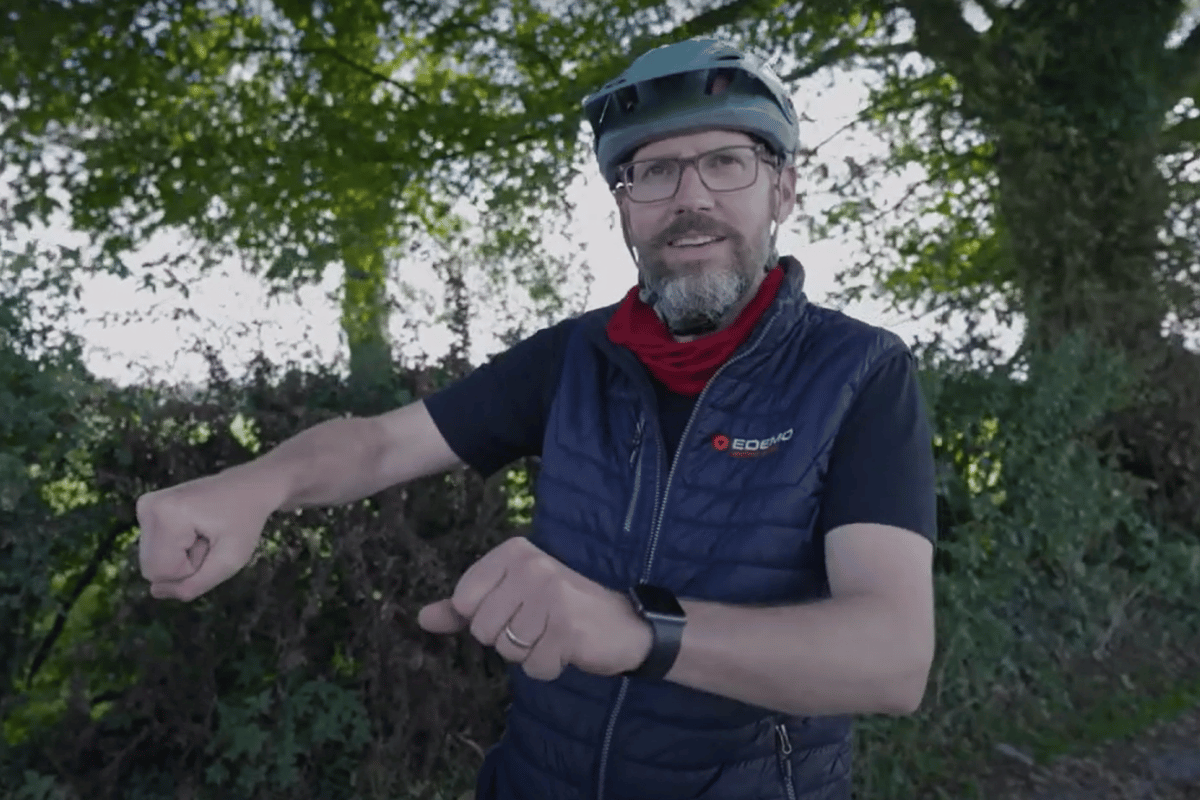
If travel matters, plan it into the purchase. Bike weight and removal of battery can change the whole experience.
Five things you notice after a few weeks
These are the kinds of things people only learn once they've actually lived with an e‑bike.
- •You go further on less effort, which makes riding easier to fit into real life.
- •You ride more often, because hills and headwinds stop being a reason not to go.
- •You improve as a rider, simply because you spend more time riding.
- •You still get a workout, you just get to choose what kind.
- •You can dial effort up or down depending on the day.
Further Reading
Moustache Clutch 150.7 EQ: First Look
Dan's first ride on our newest e-MTB-meets-commuter, with the full Pinion-and-belt setup.
Bosch Performance Upgrade 2.0 Explained
120Nm and 600% support, and what your Riese & Müller actually gets.
Are Riese & Müller Electric Bikes Worth It?
My honest take on whether the premium price actually pays back.
The Ultimate Guide to E-Bikepacking
Planning multi-day adventures with an e-bike.
5 Ways to Protect Your E-Bike
Simple steps to keep your investment safe.
Bosch Range Extender PowerMore 250 Explained
How the range extender works and when it makes sense.
Bosch E-Bike ABS Explained
What ABS does on an e-bike, and when it is worth having.
Top 10 Electric Bike Questions
The most common questions answered clearly.
Cost of Owning a Riese & Müller: 5-Year Breakdown
What ownership actually costs over five years, all in.
How to Buy Riese & Müller on Cycle to Work
A step-by-step walk-through of using salary sacrifice for a premium e-bike.
Reviews & Advice Hub
More articles, reviews, and practical guidance.
Ready to see specific bikes?
Ready to start living with one? Here are the bikes we recommend for everyday use.